Updated: July 2026
4–5 Day Komodo Liveaboard From Labuan Bajo (Day‑By‑Day Plan)
Introduction to Komodo Liveaboards
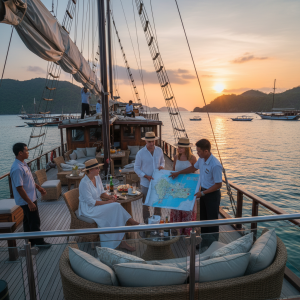
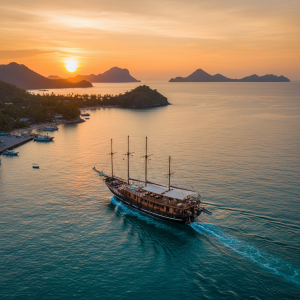
A liveaboard cruise in Komodo National Park offers an unforgettable experience, combining breathtaking landscapes, vibrant marine life, and the chance to witness the famous Komodo dragons. Typically ranging from 4 to 5 days, these itineraries provide ample opportunity to explore various islands, dive in pristine waters, and engage in unique wildlife encounters.
4-Day Liveaboard Itinerary Overview
For those considering a 4-day Labuan Bajo yacht charter itinerary, the journey usually begins in Labuan Bajo, the gateway to Komodo National Park. Here’s a breakdown of what you can expect on a 4-day trip:
- Day 1: Departure and Padar Island – Start your journey by boarding your private phinisi yacht in the morning. After settling in, cruise towards Padar Island, approximately 1.5 to 2 hours away. Hike to the viewpoint for panoramic views of the dramatic beaches—this trek takes about 30-45 minutes.
- Day 2: Komodo Island and Pink Beach – Early morning, visit Komodo Island for a guided trek to see the Komodo dragons. Entrance fees are around $10 (150,000 IDR). Post-lunch, snorkel at Pink Beach, renowned for its vibrant coral reefs and crystal-clear water.
- Day 3: Manta Point and Kanawa Island – After breakfast, sail to Manta Point for a diving session; here, you can encounter majestic manta rays. Depths range from 10 to 30 meters. Spend the afternoon on Kanawa Island, perfect for relaxing or snorkeling.
- Day 4: Return to Labuan Bajo – On the final day, enjoy a leisurely breakfast while sailing back to Labuan Bajo. Depending on your departure time, you might have a chance to visit one last snorkeling spot.
5-Day Liveaboard Itinerary Overview
If you have more time, the 5D4N Komodo liveaboard route enhances your experience with additional stops and more leisurely exploration. Here’s a typical day-by-day breakdown for a 5-day adventure:
- Day 1: Departure and Rinca Island – After boarding in Labuan Bajo, set sail towards Rinca Island (about 2 hours). Experience your first Komodo dragon sighting on a guided trek. Overnight onboard.
- Day 2: Komodo Island and Pink Beach – Visit Komodo Island for a close encounter with the dragons, followed by an afternoon at Pink Beach for snorkeling. Pink Beach is particularly known for its rose-hued sand.
- Day 3: Manta Point and Taka Makassar – Dive or snorkel at Manta Point in the morning. After lunch, head to Taka Makassar for a stunning sandbar experience, great for photography and swimming.
- Day 4: Siaba Island and Kanawa Island – Explore Siaba Island, known for its wall dives and rich marine life, including turtles. Wind down the day at Kanawa Island.
- Day 5: Return to Labuan Bajo – Enjoy breakfast while sailing back, with potential stops for last-minute snorkeling before disembarking.
Best Time to Sail in Komodo National Park
The ideal months for sailing and diving in Komodo are typically from April to November, when the weather is dry, and visibility under the water is at its best. Please note that during the rainy season (December to March), some routes may be less accessible, and diving conditions can vary. Prices for liveaboard trips can range from $300 to $800 per person for a 4-day journey, depending on the level of luxury and inclusivity of the charter.
Diving Highlights on Your Liveaboard
Diving in Komodo is unparalleled. With dive depths ranging from 10 to 40 meters, the region is home to diverse marine ecosystems, including vibrant coral reefs, thrilling drift dives, and opportunities to encounter larger pelagic species. Suggested dive sites include:
- Castle Rock – Known for its strong currents and abundant marine life.
- Crystal Rock – A hotspot for reef sharks and colorful corals.
- Manta Point – Famous for sightings of manta rays year-round.
Wildlife Encounters on Land
Komodo National Park is equally captivating on land. Beyond the iconic Komodo dragons, the islands offer opportunities to see a variety of wildlife, including:
- Wild Boars – Common on Rinca Island.
- Timor Deer – A staple of the islands’ ecosystem.
- Bird Watching – Look for endemic species like the Yellow-crested Cockatoo.
Guided treks on Komodo and Rinca Island often yield fascinating insights into these species and their habitats, enhancing your overall experience.
Logistics and Costs
When planning your trip, consider the logistics involved. A standard 4-day liveaboard experience starts from approximately $400 to $600 per person, which usually includes meals, accommodation, diving, and snorkeling gear. If you opt for a Labuan Bajo extended yacht charter plan for a longer duration (up to a week), prices can go upwards to $1,500. Always check for inclusions such as gear rental, park entrance fees, and any additional excursions.
It’s wise to book your liveaboard well in advance, especially during peak months (July-August) when demand is highest. Spaces fill quickly due to the limited number of phinisi yachts available.
Frequently Asked Questions
1. How many days are recommended for a Komodo yacht cruise?
While 3 days can offer a glimpse into the beauty of Komodo, a 4 or 5-day cruise maximizes your experience, allowing for more islands to be explored and better diving opportunities.
2. What is the best 4D3N itinerary for a Labuan Bajo private yacht?
The best itinerary includes Padar Island, Komodo Island, Pink Beach, and Manta Point, ensuring a mix of hiking, wildlife, and underwater adventures.
3. Are liveaboard cruises family-friendly?
Yes, many liveaboard operators offer family-friendly options and tailor activities suitable for children and adults alike. Always check with the operator regarding age restrictions and safety measures.
Conclusion
A liveaboard in Komodo National Park is a gateway to adventure, exploration, and unforgettable memories. Whether you choose a 4-day or 5-day itinerary, expect to be awed by the stunning landscapes, rich biodiversity, and unique cultural experiences this region offers. Ready to embark on your Komodo journey? Book your liveaboard today and prepare for the adventure of a lifetime!
Diving Highlights on Your Liveaboard
Diving is one of the key attractions of a liveaboard in Komodo National Park, and the region boasts some of the best dive sites in the world. Each dive site offers unique underwater experiences, from vibrant coral gardens to thrilling drift dives along strong currents.
- Manta Point – Renowned for the majestic manta rays, this site is typically visited on Day 3 of your itinerary. Expect to see these gentle giants gliding through the water, particularly between November and April, which is their peak season. Dive operators often charge around $50 (750,000 IDR) per dive, including gear rental.
- Castle Rock – A favorite among experienced divers, Castle Rock features strong currents and a wealth of marine life, including sharks, barracudas, and a variety of colorful reef fish. Aim for a dive here in the afternoon, as the visibility tends to be better.
- Crystal Rock – This dive site is famous for its clear waters and stunning coral formations. It’s a great spot for both macro and wide-angle photography. The best time to dive is during the early morning when the marine life is most active.
Practical Tips for Your Liveaboard Experience
Preparing for a liveaboard can make or break your experience. Here are some practical tips to ensure you get the most out of your trip:
- What to Pack – Bring lightweight clothing, swimwear, and a light jacket for cooler evenings. Don’t forget sunscreen, a reusable water bottle, and your snorkeling/dive gear if you have your own. A waterproof bag is also vital for keeping your belongings dry during excursions.
- Health Precautions – Make sure you have travel insurance that covers diving. A basic first aid kit is also useful, including seasickness tablets, which are recommended if you’re prone to motion sickness.
- Cash Considerations – While most liveaboards accept card payments, it’s wise to carry some cash for small purchases on the islands. An average cost for meals on land ranges from $5 to $15 (75,000 to 250,000 IDR).
Cultural Experiences in the Komodo National Park
Beyond its stunning natural beauty, the region is rich in culture and history. Take some time during your liveaboard to engage with local traditions and communities.
- Visit Local Villages – Many liveaboards include a stop at local villages, such as the fishing village on Rinca Island. Here, you can learn about the traditional lifestyles of the local people and their reliance on the sea for sustenance.
- Participate in Local Customs – If your trip coincides with local festivals, you may have the chance to experience traditional ceremonies, music, and dance. Ask your guide for insights on any events happening during your stay.
- Culinary Delights – Try local dishes on your journey, such as grilled fish, fresh coconut, and the famous Indonesian fried rice, Nasi Goreng. Some liveaboards organize cooking classes where you can learn to prepare these dishes yourself.
Environmental Awareness and Responsible Tourism
As visitors to this pristine environment, it’s crucial to practice responsible tourism to protect Komodo’s delicate ecosystems. Here are some important guidelines:
- Minimize Plastic Use – Bring a reusable water bottle and avoid single-use plastics. Many liveaboards provide refill stations for water, which helps reduce plastic waste.
- Respect Wildlife – Maintain a safe distance from Komodo dragons and avoid feeding any wildlife. Your guides will instruct you on proper behavior during wildlife encounters.
- Participate in Beach Clean-ups – Some liveaboards organize beach clean-up activities. Participating not only helps the environment but also connects you with other travelers who share your passion for conservation.
Explore more from Labuanbajoyachtcharter
- Labuanbajoyachtcharter — home
- 7-Day Labuanbajoyachtcharter Co. Itinerary
- Labuanbajoyachtcharter Co. vs Alternatives Comparison
- Labuanbajoyachtcharter — Labuan Bajo Yacht Charter FAQ: Everyt…
- 3-Day Labuan Bajo Yacht Charter Itinerary (Komodo Highlights)
- One-Day Private Yacht Trip From Labuan Bajo (Is It Worth It?)