Updated: July 2026
Ultimate Guide To Diving Komodo From A Labuan Bajo Yacht
Ultimate Guide To Diving Komodo From A Labuan Bajo Yacht
Diving in Komodo National Park is an exhilarating experience, where vibrant coral reefs and diverse marine life await beneath the surface. For those looking to explore this underwater paradise, liveaboard diving from Labuan Bajo offers a unique opportunity to visit top dive sites, all while enjoying the comforts of a yacht. an experienced diver or a curious non-diver, this guide covers everything you need to know about diving Komodo in 2026.
Why Choose a Liveaboard for Diving in Komodo?
Opting for a liveaboard diving experience provides several advantages. First and foremost, it allows divers to access the best dive sites in Komodo National Park, which are often remote and difficult to reach by land. A typical liveaboard trip lasts between 3 to 7 days, with many charters departing from Labuan Bajo, the bustling gateway to the park.
- Flexibility: Liveaboards offer itinerary flexibility, enabling divers to adjust their plans based on weather and current conditions.
- Comfort: Most liveaboards are equipped with comfortable accommodations, meals, and diving equipment, providing a seamless diving experience.
- Social Environment: Liveaboards foster a community atmosphere, perfect for meeting fellow diving enthusiasts.
The cost for a liveaboard can vary significantly based on the duration and luxury level chosen. Prices in 2026 range from approximately $350 to $800 per person per day, depending on the yacht’s amenities.
Best Dive Sites in Komodo National Park
Komodo National Park is renowned for its incredible biodiversity, with some of the best dive sites including:
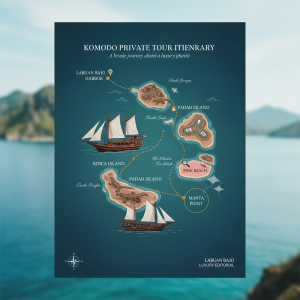
- Castle Rock: Famous for its strong currents, this site attracts large pelagics, including reef sharks and manta rays. Depths range from 15 to 35 meters (50 to 115 feet).
- Crystal Rock: Offers stunning visibility and a vibrant coral garden, typically hosting a variety of fish species. Expect depths of 5 to 30 meters (16 to 100 feet).
- Rinca Island (Doyan): Known for its impressive coral formations and a chance to spot Komodo dragons on land!
- Manta Point: A must-visit for manta ray lovers; divers can observe these magnificent creatures cleaning themselves in the currents.
- Gili Lawa Laut: Perfect for macro photography, this site features colorful coral and small critters.
Labuan Bajo Dive Yacht vs. Land-Based Diving
One of the major decisions for divers is whether to dive from a yacht or use land-based accommodations. Each option has its pros and cons, and understanding them can help you make an informed choice.
Labuan Bajo Dive Yacht
- Direct Access: Liveaboards can reach remote dive sites more easily than land-based options.
- Multiple Dives: Liveaboards typically offer 3 to 4 dives a day, maximizing your dive experience.
- Meals Included: Most packages include meals and snacks onboard, allowing divers to focus solely on diving.
Land-Based Diving
- Cost-Effective: Land-based operations can be more budget-friendly, with dive packages often starting around $60 to $120 per dive.
- Flexibility: You can choose your accommodation and potentially explore the region without the commitment of a liveaboard.
- Limitations: Expect to spend more time traveling to dive sites, which may limit the number of dives per day to 2.
Understanding Komodo Current Levels for Divers
Current levels in Komodo can vary greatly depending on the time of year and specific dive sites. Typically, the best diving conditions are found from April to December when the weather is stable and visibility is at its peak. However, it’s essential to be aware of the following:
- Strong Currents: Sites like Castle Rock and Crystal Rock can have strong currents, demanding experience in drift diving.
- Safety Measures: Dive guides are usually knowledgeable about current conditions and will brief you on safety measures before each dive.
- Open Water Certification: Divers must hold at least an Open Water certification to explore most of Komodo’s dive sites.
Minimum Certification for Komodo Liveaboard
To dive in Komodo National Park, divers are required to have a minimum certification of Open Water Diver. Many liveaboards conduct check dives to ensure divers are comfortable with their skills. For those looking to explore more advanced sites, an Advanced Open Water certification is highly recommended. Here’s a breakdown of certifications:
| Certification Level | Recommended Dive Sites | Depth Limits |
|---|---|---|
| Open Water Diver | Most sites | 18 meters (60 feet) |
| Advanced Open Water Diver | Advanced sites like Castle Rock | 30 meters (100 feet) |
| Rescue Diver | All sites | 30 meters (100 feet) |
Diving Safety Tips for Komodo National Park
Safety is paramount when diving in Komodo, especially given the variable conditions. Here are some essential safety tips:
- Stay Hydrated: Drink plenty of water before and after dives to prevent dehydration.
- Use a Dive Computer: Keep track of your bottom time and depth to avoid decompression sickness.
- Listen to Your Guide: Always respect the instructions of your dive guide, especially regarding currents and marine life.
- Practice Good Buoyancy: Maintain control to protect fragile corals and avoid accidents.
- Be Aware of Marine Life: Familiarize yourself with the local marine species and understand which ones to avoid.
Non-Divers Joining a Komodo Dive Liveaboard
Many liveaboards welcome non-divers, offering a variety of activities such as snorkeling, hiking, and wildlife watching. This inclusivity makes a liveaboard trip an excellent option for families or groups with mixed interests. Non-divers can enjoy the stunning landscapes of the islands, including opportunities to see Komodo dragons on Rinca Island or snorkel in crystal-clear waters.
In 2026, the cost for non-divers on a liveaboard typically ranges from $250 to $600 per day, depending on the yacht and activities included.
How Many Dives Per Day on a Komodo Yacht?
On a typical liveaboard diving trip in Komodo, expect to complete 3 to 4 dives per day. This includes a mix of day and night dives, particularly in areas with vibrant nocturnal marine life. The schedule is often structured, allowing for dive briefings in the morning and evening, followed by ample time to relax and enjoy the stunning surroundings in between dives.
For instance, if you’re diving in April—considered one of the prime months—the itinerary might look like this:
- Morning Dive: Manta Point
- Lunch and Relaxation
- Afternoon Dive: Crystal Rock
- Sunset and Dinner
- Night Dive: Doyan
Conclusion
Diving in Komodo National Park from a Labuan Bajo yacht is a remarkable experience, combining adventure and comfort with breathtaking underwater scenery. With the right preparation and knowledge, your diving journey can be safe, enjoyable, and unforgettable. Whether you choose to dive or simply accompany a loved one on a liveaboard, Komodo offers an adventure like no other. Don’t miss out on this aquatic wonderland!
Explore more from Labuanbajoyachtcharter
- Labuanbajoyachtcharter — home
- Labuanbajoyachtcharter Co. vs Alternatives Comparison
- Labuanbajoyachtcharter — Labuan Bajo Yacht Charter FAQ: Everyt…
- How to Book Labuanbajoyachtcharter Co.
- Comparing Luxury vs Midrange vs Budget Boats In Labuan Bajo
- Snorkeling Komodo: Manta Point, Batu Bolong & More By Yacht